Effective Strategies for Training Aggressive Dogs
Dealing with a dog that exhibits aggressive behavior can be overwhelming for any pet owner. Whether it’s growling at strangers, snapping at other dogs, or showing fear-based aggression, the important thing is that you're not alone. Many dog owners face similar challenges. With the right approach and patience, you can transform your dog's aggressive behavior into a more manageable demeanor. This blog will explore effective methods to train aggressive dogs, helping you understand their behavior and providing you with actionable strategies to create a safer and happier environment for both you and your furry friend.
Understanding Aggressive Behavior in DogsAggressive behavior in dogs can stem from a variety of reasons, including fear, pain, territorial instincts, or lack of socialization. Understanding the root cause of your dog’s aggression is crucial for implementing effective training.
Here are some common types of aggression to identify:
Fear Aggression: Dogs that react aggressively when scared or threatened usually have a history of negative experiences. This is often the case with rescue dogs.
Protective Aggression: This occurs when a dog perceives a threat to their territory, belongings, or family members and subsequently reacts aggressively to protect what they cherish.
Social Aggression: Some dogs may act aggressively toward unfamiliar dogs or humans due to a lack of socialization or negative encounters in the past.
Dominance Aggression: In rare cases, a dog might display aggression related to asserting dominance over humans or other animals.
Realizing the different types of aggressive behavior can help you choose the right training techniques to implement.
Training Aggressive Dogs: Setting the Stage for Success
Before you dive into training, it’s essential to create a safe space for your dog. This means setting up an environment where distractions are minimized and the dog feels secure. Here are some steps to follow:
Designate a Safe Zone: Create a quiet area in your home where your dog can retreat when feeling overwhelmed. This safe zone should be comfortable and have some of their favorite toys. This also helps when you have a lot of company over, to give your dog time to be alone when they need some space.
Stay Calm: Dogs are sensitive to human emotions. Staying calm in situations that provoke aggression can help prevent escalation.
Use Reinforcement: Reinforcement involves rewarding your dog for good behavior and good choices. It RARELY works to punish a behavior away, that typically causes them to hide or surpress the behavior, it does not change or fix the behavior. This could mean treats, praise, or intentional play when they display calm or appropriate behavior.

Can Aggression Be Trained Out of a Dog?
Many dog owners wonder if it’s even possible to train aggression out of a dog. The answer is nuanced. Aggressive behavior can indeed be managed and improved, but it requires time, effort, and professional guidance.
Training will not eliminate aggression overnight; rather, it will help you develop a better understanding of your dog's emotions and responses. Here are some techniques to consider for training aggressive dogs:
Desensitization: Gradual exposure to the stimuli causing aggression can help your dog adjust. For instance, if your dog reacts aggressively to other dogs, start by observing them from a distance and gradually decreasing that distance as your dog becomes more comfortable.
Counter-Conditioning: This technique involves changing your dog's emotional response to a known trigger. For example, if your dog barks at strangers, give them a treat or use intentional play every time a stranger walks by, associating their presence with positive outcomes.
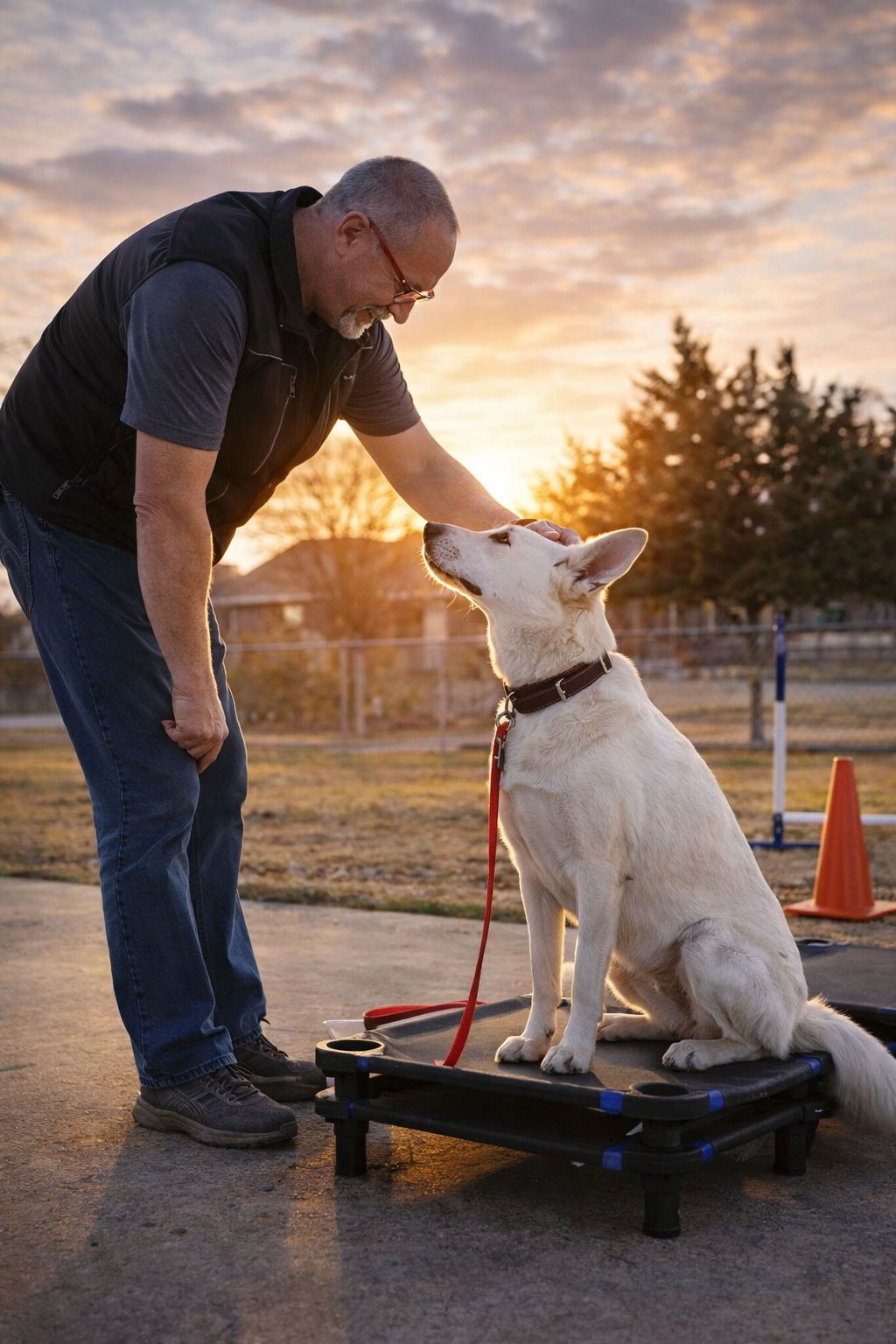
Professional Training: Some cases of aggression can be well-handled by a trained professional. Seeking advice from a trainer specializing in dog aggressive behavior training can help put you on the right track.
Training an aggressive dog will likely require teamwork. The entire family should be on board with the training process and employ consistent commands and techniques to reinforce positive behavior.
Implementing Routine Exercises
Physical exercise is essential in managing aggression in dogs. Regular exercise releases pent-up energy and can help mitigate aggressive tendencies. Here's how to implement a routine:
Daily Walks: A minimum of 30 minutes of aerobic activity is recommended for most dog breeds. This can include brisk walks, runs, or playtime in a fenced yard.
Cognitive Challenges: Engage your dog’s mind with puzzle toys or training sessions. The mental stimulation can be just as tiring and can help curb aggressive behavior.
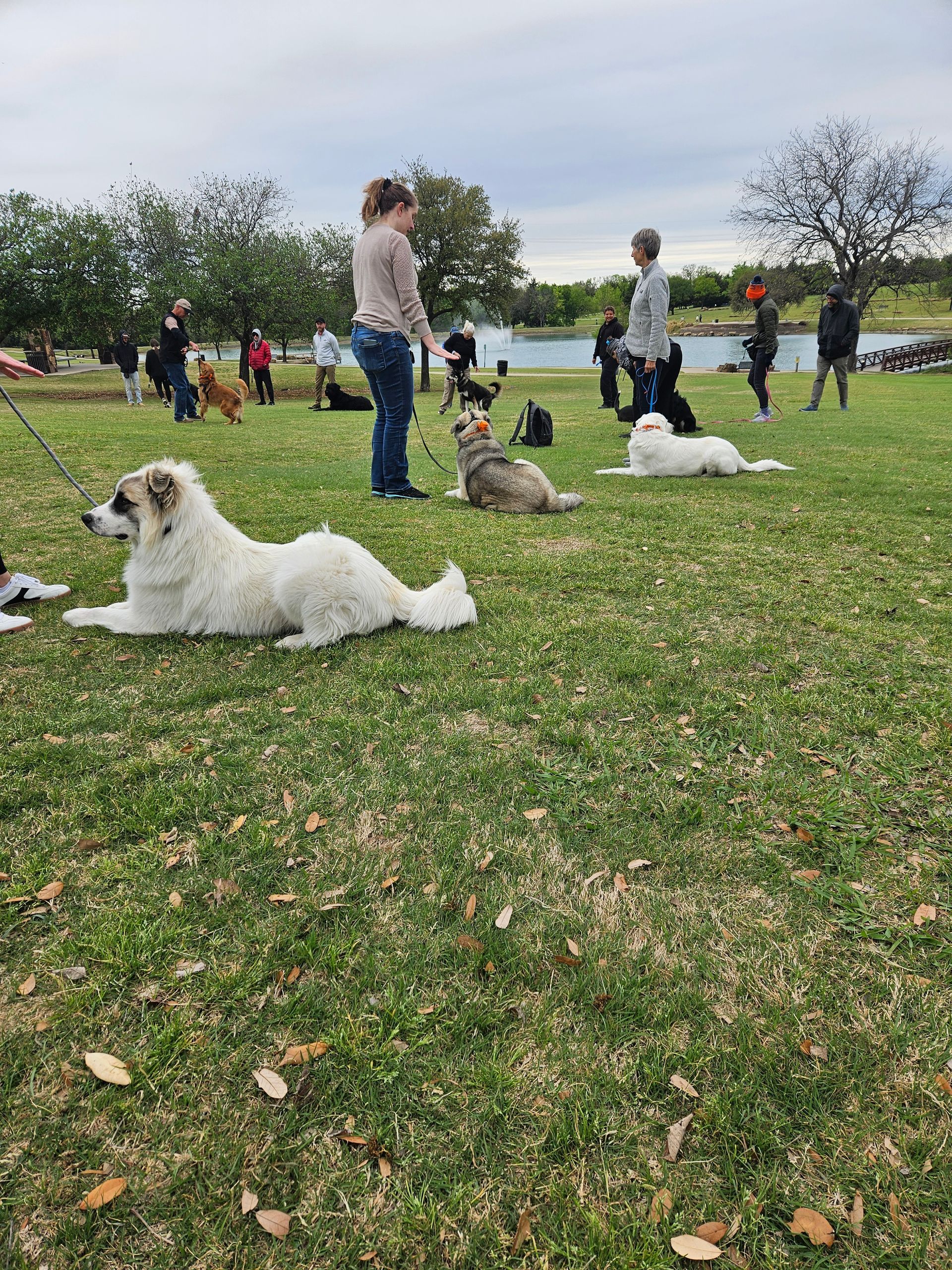
Controlled Socialization: Gradually introducing your dog to new environments and other dogs can promote social skills. Make sure these interactions are positive and supervised.
Monitoring Progress and Adjusting Training
As you embark on this journey, it’s crucial to monitor your dog’s progress. Document your training sessions and note any improvements or setbacks you encounter. This record can be invaluable in adjusting your strategies.
An effective way to monitor progress includes;
Keeping a Training Journal: Write down observations about your dog's behavior, reaction to stimuli, and successful training moments. This will help you notice patterns over time.
Regular Assessment: If a specific technique isn’t working, be flexible in changing your approach. Not every method works for every dog.
Stay Patient: Remember that training an aggressive dog is often a marathon, not a sprint. Aggression doesn't typically change overnight, so celebrating small victories along the way is essential.
Final Thoughts on Transforming Aggressive Behavior
Transforming your dog’s aggressive behavior is a journey that requires commitment, understanding, and patience. It’s essential to remember that every dog is unique, and what works for one might not work for another.
Engage with your dog daily, apply positive reinforcement techniques, and don’t hesitate to reach out to professionals for help. By taking these steps, you can guide your dog towards a healthier, calmer respectful demeanor. With love and determination, you will set the foundation for a wonderful relationship with your pet—one where both you and your dog can thrive together in harmony.
If you're struggling with dog aggression, professional dog training can make all the difference. At K-9 Culture in Carrollton, TX, our expert trainers specialize in aggressive cases, helping dogs overcome reactivity and behavioral issues. Start your journey to a balanced, well-behaved companion today—because every dog deserves a chance to shine.